
Our regional impact
$9.8B
total regional economic impact
$563.8M
investment in college financial aid
5000+
educators supported by WashU’s Institute for School Partnership
$4.1B
in direct spending (construction, purchasing, employee compensation, and student spending)
$148M
in uncompensated medical care for St. Louisans
23,434
total WashU employees
Community Impact Report
Fiscal Year 2025
As a part of our commitment to the region, we seek to leverage our strengths in order to advance health, educational access and economic opportunity for all St. Louisans. Our strong partnerships with local entities are growing, and we’re dedicated to building bridges for a prosperous future.
This report, developed in collaboration with WashU’s “In St. Louis, For St. Louis” team, shines a light on WashU’s regional impact and our commitment to economic growth within our community.
Research and innovation
Research Matters: Federally Funded Partnerships Driving Innovation & Impact
At WashU, federal research funding empowers faculty, students, and community partners to tackle real-world challenges that serve the public good—from pioneering new therapies for cancer, Alzheimer’s disease, and other critical illnesses to improving clean water, flood resilience, and agricultural innovation in rural communities across Missouri and Illinois.
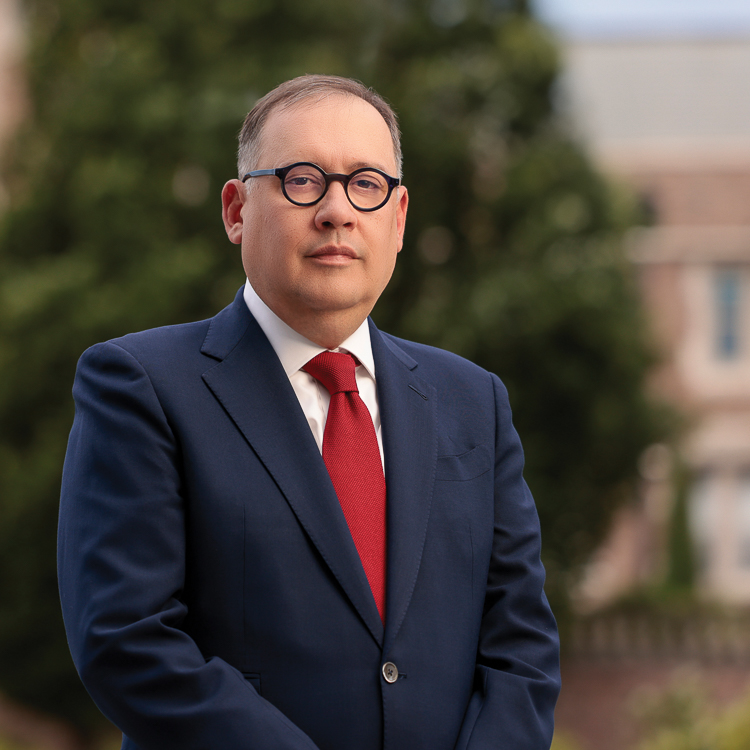
Since the end of the second world war, federal funding has directed research toward national priorities that benefit all Americans, from curing diseases to enhancing national security to driving economic competitiveness. The scope of today’s scientific challenges requires investment at a scale that even the wealthiest universities couldn’t sustain while fulfilling their educational missions and honoring the constraints put on endowment spending through legal agreements with donors.
Chancellor Andrew D. Martin
Federal Funding by Agency: 2024-25 University Fiscal Year
| Agency | Federal Research Awards | Students supported by Federal Research Awards | Employees supported by Federal Research Awards |
|---|---|---|---|
| National Institutes of Health (NIH) | $742,526,214 | 1,099 | 5,396 |
| National Science Foundation (NSF) | $22,347,829 | 384 | 308 |
| Department of Health and Human Services (HHS) (non-NIH) | $16,031,767 | 42 | 77 |
| Department of Defense | $11,415,307 | 115 | 357 |
| Department of Education | $1,419,764 | 115 | 357 |
| Department of Energy | $7,262,239 | 77 | 103 |
| National Aeronautics and Space Administration (NASA) | $11,014,785 | 49 | 70 |
| Other | $2,094,875 | N/A | N/A |
| TOTAL | $814,112,780 | 1,881 | 6,668 |
A Powerful Return on Investment
$727M
NIH funding awarded to WashU
#3
ranking among U.S. universities in total NIH funding
$662M
NIH funding awarded to WashU Medicine
#2
ranking among U.S. medical schools in total NIH funding
WashU researchers—supported by federal grants, foundations, and donors—pursue discoveries aimed at solving some of the world’s most complex challenges, spanning human health, technology, society, and the environment. In federal FY2025, WashU received $727 million in funding from the National Institutes of Health (NIH), including $662 million awarded to WashU Medicine. WashU ranks No. 3 among U.S. universities in total NIH funding, while WashU Medicine ranks No. 2 among U.S. medical schools, placing the university among the nation’s most dynamic and productive research enterprises. This sustained investment fuels a collaborative research ecosystem that supports inquiry across disciplines, enabling researchers to advance fundamental discovery and translate new knowledge into innovative therapies, emerging technologies, and broad societal benefit.
Economic data shows that every $1 million in research funding creates 11 local jobs. An economic impact study by United for Medical Research also found that every $1 of NIH-funded research generated nearly $2.56 in new economic activity. In Missouri, NIH awarded $902 million in grants and contracts in federal FY2025 that directly supported 9,080 jobs and $2.13 billion in economic activity.
This remarkable achievement not only enhances our reputation but also brings substantial resources to our community. These research dollars boost Missouri’s economy by sparking job growth, new construction, and local spending. When researchers receive grants, they hire staff, purchase equipment and supplies from local vendors, and contribute to the region’s economic vitality in countless ways.
Chancellor Andrew D. Martin
Federal Funding in Action
NIH Funding and Medical Breakthroughs—Global Impact from the Heart of the Midwest
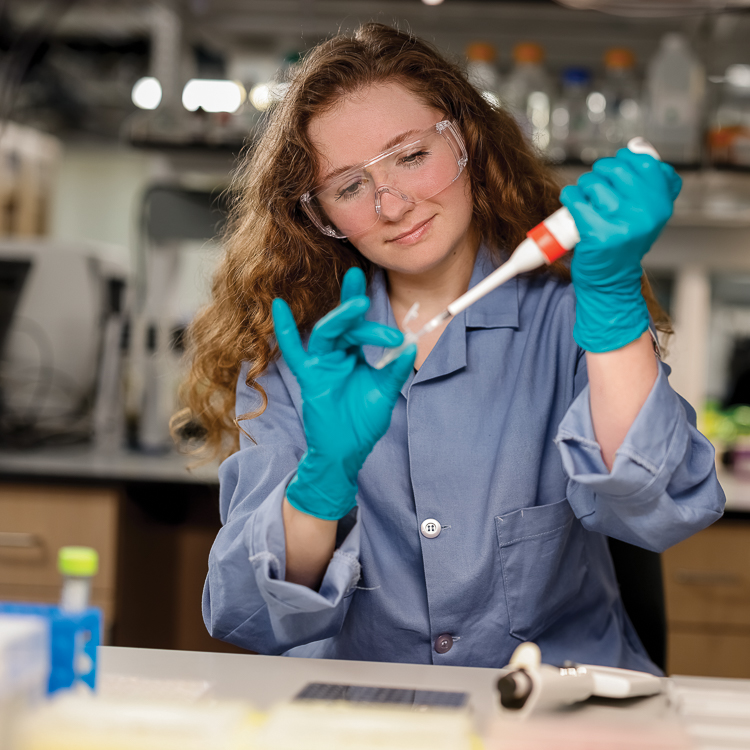
From the labs of WashU Medicine, NIH-funded research is fueling scientific progress and delivering health, economic, and community benefits in St. Louis, across our region, and around the world. Breakthroughs in cancer are saving lives today, while pioneering Alzheimer’s research is advancing early detection and prevention, and accelerating the search for effective therapies. Other cutting-edge initiatives focus on developing AI-based brain mapping software to enhance the precision of neurosurgeries, creating non-addictive pain relievers, improving the diagnosis and treatment of rare genetic illnesses, and developing more effective treatments for heart failure. This work not only attracts biotech investment and creates highly skilled jobs but anchors St. Louis as a national hub for medical innovation.
NSF Funding Strengthens Rural Communities and Ecosystems
NSF-supported research at WashU connects science with community needs by empowering rural residents and local governments to build safer, healthier futures. Through the Trusted Tap initiative, families can monitor water quality at home, while researchers assess health risks from flooding that threaten farms and small towns. In collaboration with regional growers, plant biologists are studying how crops withstand nutrient stress, helping protect livelihoods and food security. These partnerships ensure that the benefits of federal research extend far beyond the lab—supporting jobs, local infrastructure, and public health.
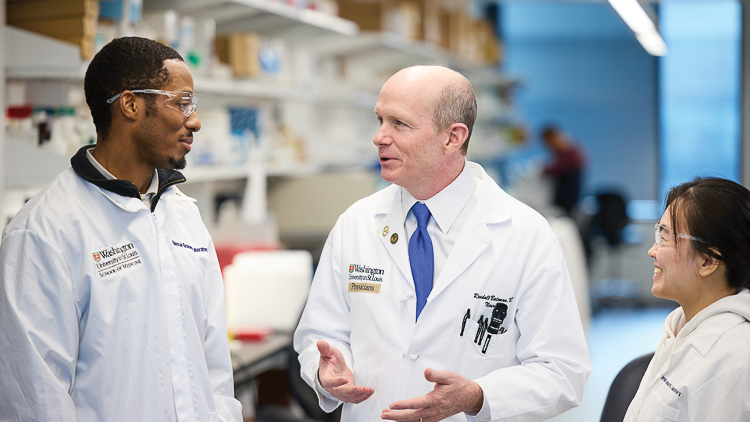
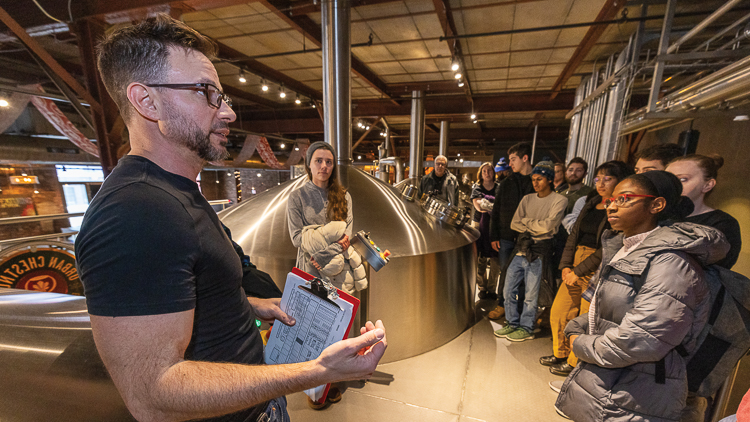
CDC/HRSA/HHS—Advancing Medicaid Policy and Practice
Federal investments are fueling WashU’s leadership in public health and policy research. The Medicaid Analysis Policy Lab—housed in WashU’s Center for Advancing Health Services, Policy & Economics Research—translates data into actionable insights that inform legislative debates and improve health care delivery. The lab’s nationally recognized advocacy for rural health supports efforts to strengthen communities across the region.
DARPA and the Future of Biomanufacturing
With $5.2 million in support from the Defense Advanced Research Projects Agency (DARPA), WashU is pioneering next-generation biomanufacturing platforms with the potential to transform both health care and national defense. This work strengthens the U.S. economy by creating scalable, secure manufacturing processes that reduce supply chain dependence and stimulate regional industry growth.
NSF Funding—Expanding Discovery in the Universe and Inspiring the Next Generation
Through a $3.9-million National Science Foundation award, WashU physicists are helping build the world’s next-generation Gamma-Ray Observatory. Beyond unlocking cosmic mysteries, this project supports skilled engineering jobs, fosters collaboration with U.S. industry partners, and provides students hands-on experience in high-tech research. From St. Louis to the stars, this work embodies how federal research fuels discovery and is inspiring the next generation of explorers.

Supporting Startups
WashU supports its researchers along every step of their bench-to-market journey. A prime example is Varro Life Sciences, which develops biosensors to detect airborne pathogens. The core of the company’s tech came from WashU. Varro recently committed to our region, cutting the ribbon on its $42.5-million headquarters in the Cortex Innovation District.
115
Total number of WashU Startups
6
Number of WashU Startups
formed in FY2025
Community Health
WashU Medicine provides exceptional, research-driven care to the St. Louis region and to patients who travel from across the Midwest and the country seeking the highest level of medical expertise.
Our physicians—many of whom are leaders in their fields—are the doctors delivering care at BJC HealthCare’s nationally ranked Barnes-Jewish and St. Louis Children’s hospitals and the nationally ranked Siteman Cancer Center. Our physicians also serve patients at BJC’s 12 community hospitals and more than 130 WashU Medicine clinical locations across Missouri and southern Illinois, ensuring people throughout the region have access to advanced, specialized care close to home.
WashU Medicine is recognized nationally for its depth and excellence in specialty care, with broad expertise across numerous specialities, including Alzheimer’s disease, cancer, heart and vascular conditions, rare and complex diseases, and in pediatric care. Patients turn to WashU Medicine not only for answers to the most challenging medical problems, but also for access to advanced therapies, innovative procedures, and clinical trials that often are unavailable anywhere else in the region.
As a major safety-net provider, we care for patients from every background—a commitment central to our mission of advancing health for all people in our region. WashU Medicine’s student-led Pro Bono Health Clinic, under faculty supervision, provides compassionate and free occupational therapy, physical therapy, and bridge medical care to uninsured St. Louis community members while training future clinicians through hands-on opportunities.
We also lead the way in bringing groundbreaking therapies and clinical trials to our patients. In 2025, we became the first in the region to deliver an innovative gene therapy to patients with sickle cell disease, demonstrating the lifesaving potential of scientific discovery. WashU Medicine’s global Alzheimer’s prevention clinical trials also are showing early promise in delaying the onset of symptoms in people genetically predisposed to develop the illness at young ages, and our novel immunotherapy for aggressive blood cancers has achieved full remission in early clinical trials.
Our goal is to ensure that the benefits of world-class discovery reach every patient, every family, and every community we serve.
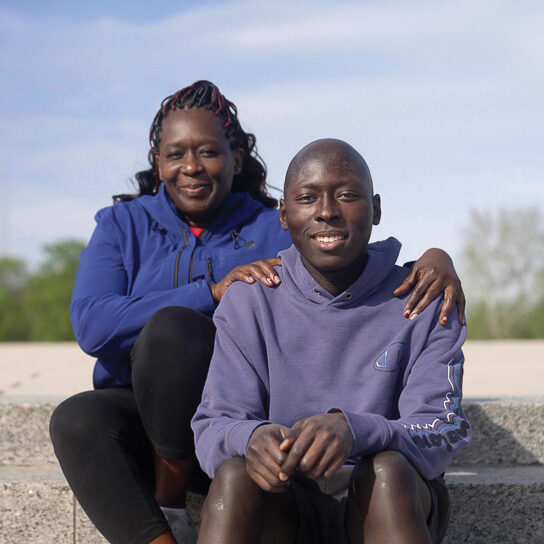
We could not have imagined curing sickle cell disease with gene therapy even 10 years ago. This innovative treatment is life-changing for patients.
Shalini Shenoy, MD, WashU Medicine pediatric hematologist and oncologist at St. Louis Children’s Hospital
2,500
Total number of open WashU Medicine clinical trials in 2024–25
$148M+
Amount of uncompensated care provided by WashU Medicine physicians
1,898,728
Outpatient visits for specialty care
471,561
Community-based primary care visits
1,054,333
Inpatient visits at Barnes-Jewish Hospital, St. Louis Children’s Hospital, or other BJC hospital
Medical clinical trials evaluate drugs, diagnostics, and medical devices to determine whether they are safe and effective—a critical step before federal regulators can approve them for broader use. Every trial represents a pathway to progress—expanding knowledge, answers, options, and renewed hope to patients who often have nowhere else to turn.
Educational access
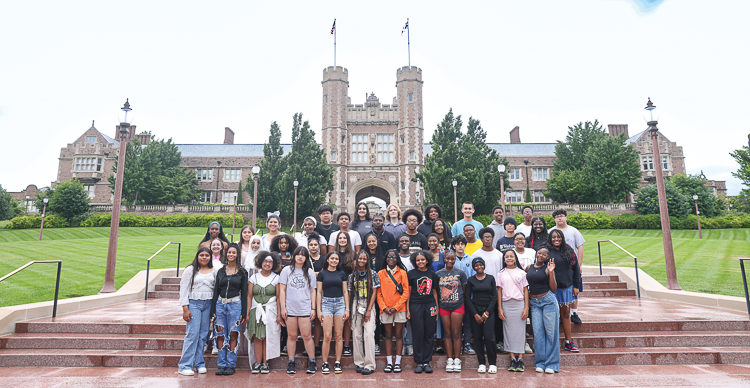
Since its start in 2020, the WashU Pledge has covered the full cost of WashU education for more than 351 low-income students from Missouri and southern Illinois—tuition, housing, food, fees, and books included.
WashU not only provides the region’s students generous aid packages, it prepares them for success through programs like the Rural Scholars Academy and the College Prep Program. In addition to the WashU Pledge, WashU is expanding access through initiatives like “no-loan” financial aid, which enables students to graduate debt free; grants for enrichment activities and emergency expenses; and our partnership with QuestBridge, which connects talented lower-income students to four-year scholarships.
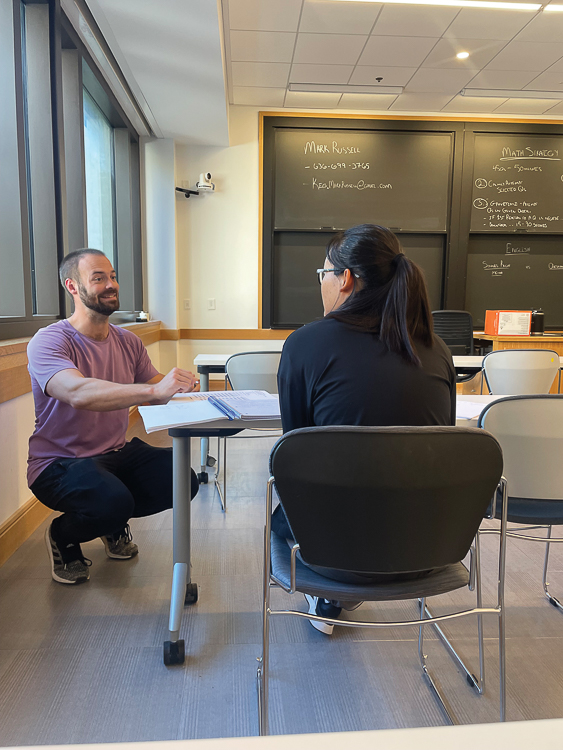
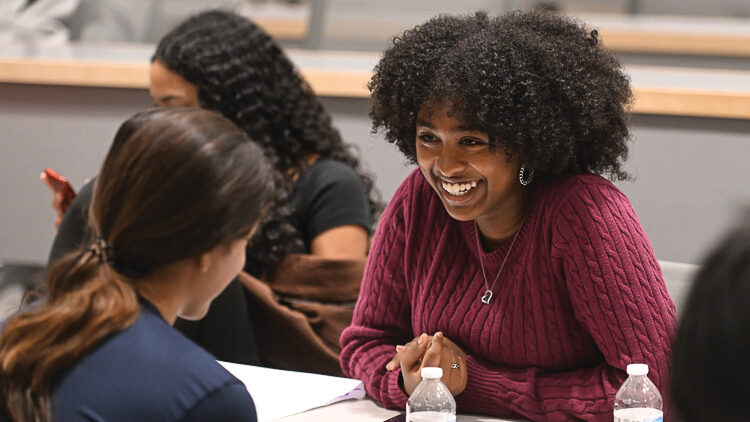
I don’t want my parents to have the burden of paying for my college. Getting the pledge and being able to go to school on a full ride is so amazing to me.”
First-year student Angela Chen, Monroe City, Missouri
$563.8M
Total investment in financial aid
23%
Percentage of Pell-eligible students
$66,918
Average aid package for Missouri and southern Illinois students
$90,377
Average aid package for first-gen Pledge students
351
Total number of undergraduatePledge students enrolled
37
College Prep students completed college-readiness program
Community support
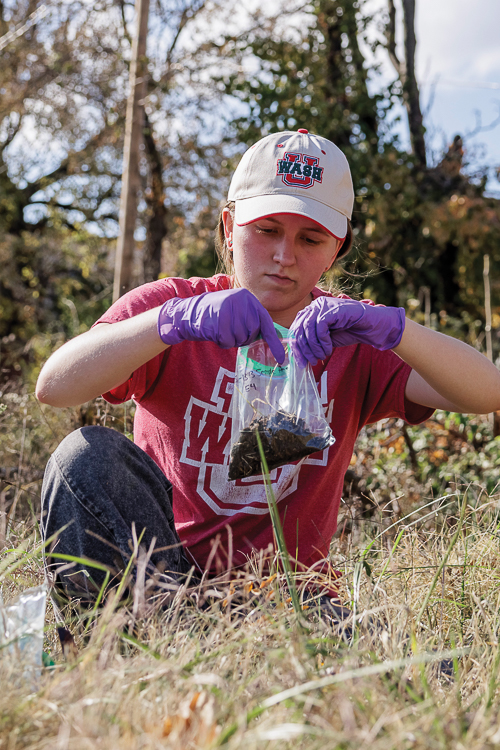
The Brown School at WashU is deepening its engagement with the St. Louis community through a new initiative that connects university expertise with residents, community organizations, and industry partners. The WashU Public Exchange’s first project, CLEAN STL, focuses on environmental health in St. Louis neighborhoods affected by the May 16 tornado.
$4.3M
Total support for community organizations and neighborhoods
$334M
Total spend on local purchasing
$217M
Total student spending in the region
Residents worry about the health and safety of their backyards, and what will happen to air quality as damaged homes are demolished. This project is a clear example of how the expertise of WashU can have a tangible positive impact on the lives of St. Louisans while engaging them in important discussions about public health and science.
Chris van Bergen, WashU Public Exchange executive director
Responding to crisis
In the wake of the May 16 tornado, WashU acted quickly to support recovery efforts across the region, coordinating volunteers to serve through community-led hubs and channeling in-kind donations—delivered by the WashU Police Department—to the Urban League of Metropolitan St. Louis and other local partners.
1,148
Total volunteer hours
$28,687
Equivalent volunteer time,
United Way of Greater St. Louis values volunteer time at $25/hr
15
community outreach projects
22
carloads of in-kind donations
K-12 educational opportunities
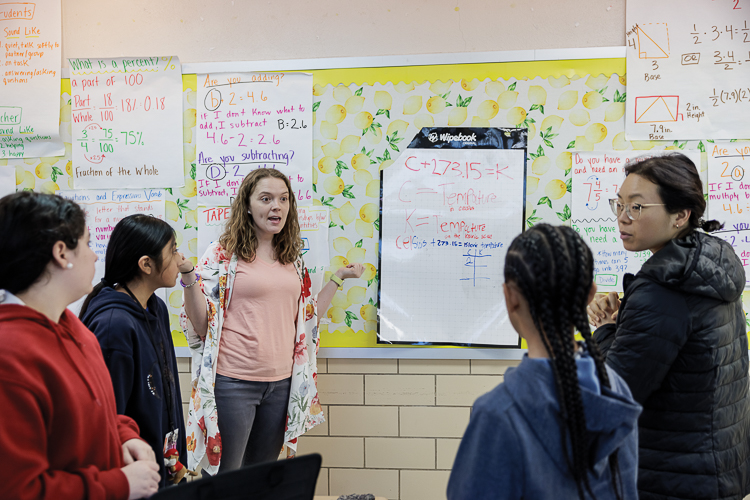
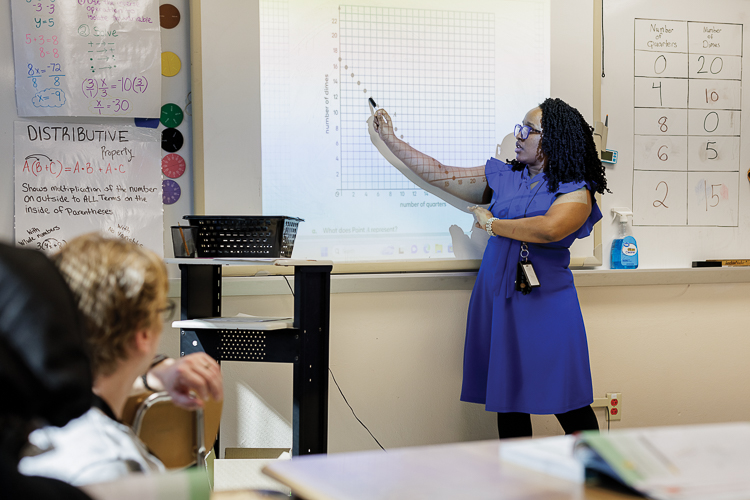
WashU’s Institute for School Partnership is helping local districts to bring rigor and joy—yes, joy—to math education.
The Math314 program pairs ISP instructional specialists with local teachers to identify high-quality curriculum, develop engaging lessons, produce meaningful assessments, and nurture a classroom culture that rewards creative problem solving over rote memorization. The results are promising. All partner districts report an increase in students who score proficient or advanced in state testing. And teachers say their students are developing a deeper, more flexible understanding of math concepts.
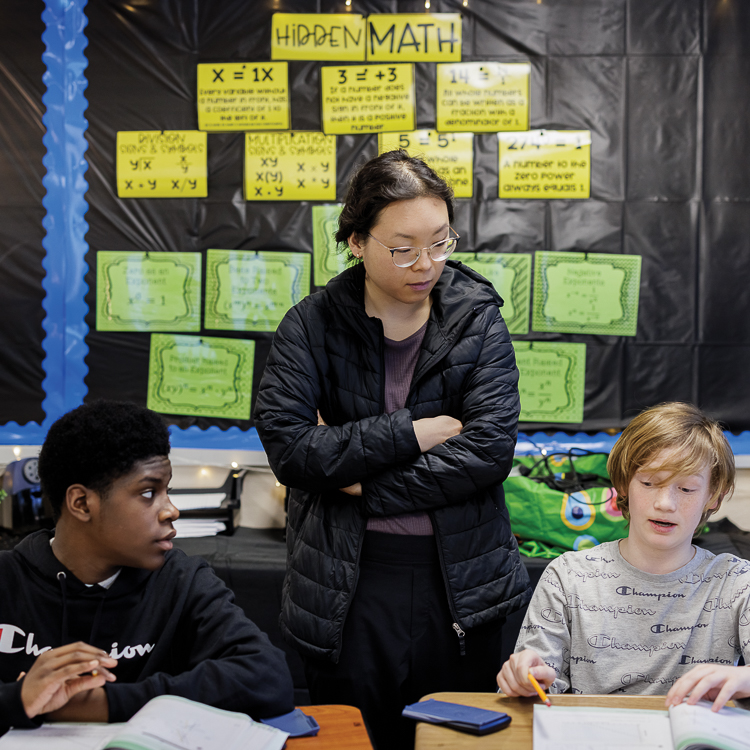
The work is challenging and collaborative. You might think that as the rigor increases, the excitement would decrease. But when I ask kids, ‘What’s your favorite subject?,’ I’m blown away by the number of students who say they really enjoy math now.
Alexander Terrance, principal of Hoech Middle School, Ritenour School District
5,000+
Each year, the Institute for School Partnership (ISP) supports 5,000+ educators
50+
school districts
60+
independent schools
189,000+
PreK–12 students served by ISP programs
$6,133,151
PreK–12 spend for 2024–25
People, purchasing, and construction
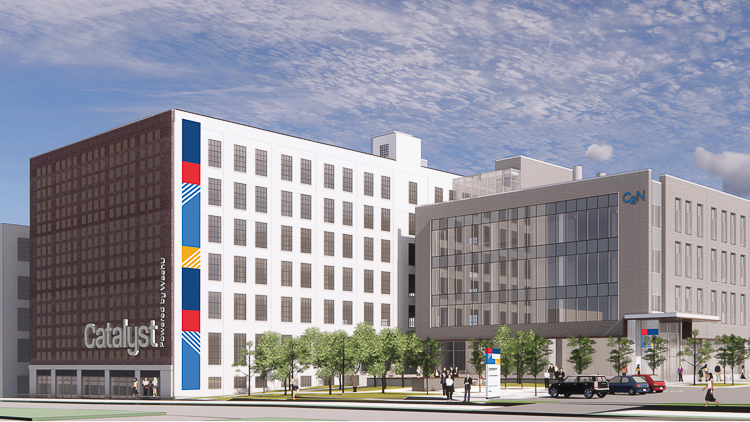
WashU is currently renovating the seven-story mid-century Goodwill complex, our newest project in the Cortex Innovation District.
When complete, Catalyst: Powered by WashU will serve as a support hub for growth- and expansion-stage bioscience startups, providing lab, office, and other critical supports. Its anchor tenant: C2N Diagnostics, a startup founded by WashU Medicine physician-scientists David Holtzman, MD, and Randall Bateman, MD, and LifeTech Research, a Maryland-based firm. C2N uses tech developed at WashU Medicine to develop tests to diagnose Alzheimer’s and other neurodegenerative diseases. The company expects to move into Catalyst next year.
Catalyst will help retain and recruit world-class talent, research, and innovation to St. Louis, and we can’t wait to see it buzzing with bold ideas and ambitious founders.
Doug Frantz, Vice Chancellor for Innovation& Commercialization, WashU
Our Capital Investments
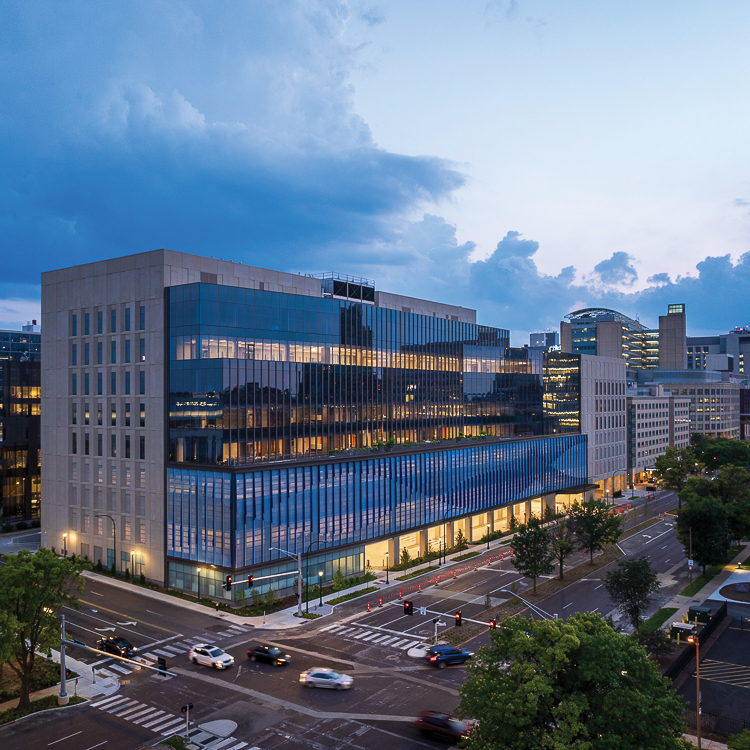
New facility exclusively for outpatient cancer treatment
The new nine-story Gary C. Werths Building—devoted exclusively to outpatient care at Siteman Cancer Center—opened its doors to patients in September 2024. Located on the Washington University Medical Campus, the building exemplifies the collaborative strength of WashU Medicine and BJC HealthCare in providing innovative cancer care. The new building is thoughtfully designed, with cancer patients’ needs at its core. An innovative model of care enables many patients to see a multidisciplinary team of WashU Medicine cancer specialists at Siteman and receive chemotherapy and other services in collaboration with BJC caregivers—all coordinated during a single visit. This approach focuses on patients’ comfort and convenience and reduces the need to return for multiple appointments. About 75,000 patients seek care at Siteman each year—a number that is growing as more patients from across the region and beyond seek the expertise of WashU Medicine cancer specialists and access to leading-edge clinical trials. Patients at Siteman—the only National Cancer Institute-designated comprehensive cancer center in Missouri and southern Illinois—receive the most advanced, lifesaving therapies informed by the latest research discoveries, many of them made by WashU Medicine faculty who are leaders in their fields.
Neil S. Hirsch Center forCareer Engagement & Alumni Welcome Center
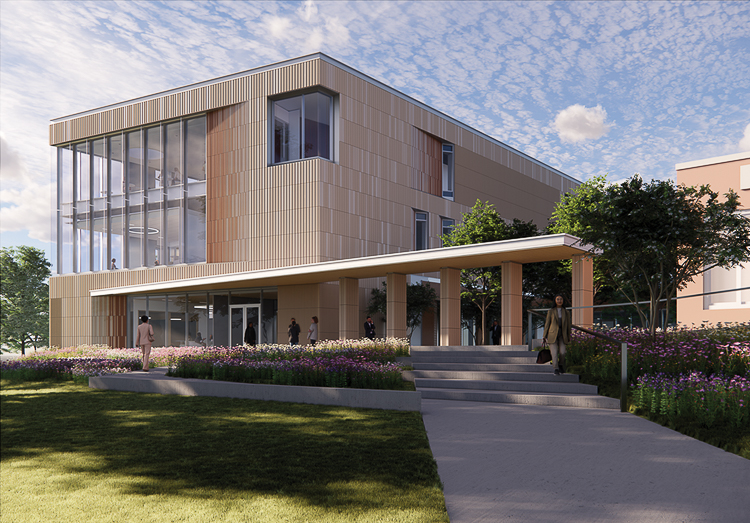
Set to open in early 2027, the Neil S. Hirsch Center will serve as a new home for the Center for Career Engagement and an inviting welcome center for alumni returning to the Danforth Campus. Designed to spark both formal and informal interactions, the building will feature interview and coaching rooms, employer lounges, flexible event spaces, and a tree-lined courtyard that encourages collaboration. By bringing career engagement and alumni services together under one roof, the Hirsch Center will create a vibrant gathering place for local businesses and WashU alumni to mentor students, build relationships, and help graduates see the many opportunities available to them in our extended region.
$9.8B
Total regional economic impact
60,214
Total number of jobs supported in the region
$4.1B
Total amount direct spending
$2.6B
Total amount in salaries
23,434
Total number of employees
19,533
Full-time employees
3,901
Part-time employees
$196M
Total construction spend
WashU’s Center for Career Engagement conducts an annual survey of graduating students to learn about their next step after graduation. These leading St. Louis businesses and institutions—among many others—provide new WashU alumni their first job, internship, fellowship, graduate or professional school, or other career experience after graduation.
| Anheuser-Busch | |
| Bayer | |
| Boeing | |
| Centene Corporation | |
| Edward Jones | |
| WashU | |
| World Wide Technology |